

18/11/2025-28/11/2025 & 28/11/2025-12/12/2025
15th BYA is a two-year-long, process-based Biennial, convened by the artist and curator Nada Prlja and curator and educator Sebastian Cichocki. The Biennale will open on November 18, 2025 (at MoCA – Skopje) and on November 28, 2025 (at the Museum of Macedonia and ES J.H. Pestalozzi), unfolding through a sequence of four chapters that reflect the changing seasons.
Chapter 1.
Tomorrow Began Yesterday
Curated by Nada Prlja in collaboration with Sebastian Cichocki
Chapter 1.1
Exhibition duration> 18.11.2025 – 28.11.2025
Location> Museum of Contemporary Art – Skopje
Opening> 18.11.2025 at 19:00 with performances by Sergej Kalenikov, Julija Кasteluči and Kristina Tanevska
Exhibition duration> 18.11.2025 – 28.11.2025
Participants> Džemiliana Abdulova (Skopje), Betül Aksu (Izmir/London), Renea Begolli (Prishtina), Angela Boshevska (Bitola/Skopje), Natalija Gucheva (Skopje/Ghent), Sergej Kalenikov (Skopje), Julija Кasteluči (Belgrade/Milan), Gabriela Kiczor-Bentkowska (Warsaw), Ana Lazarevska (Skopje), Izabela Levenska Miljanikj (Skopje), Milcho Manchevski & 1AM Group (Skopje) [revisiting the first BYA from 1987], Jana Nikolovska (Skopje), Maryna Sakowska (Poznań), Dushan Stefanovski (Skopje), Kristina Tanevska (Skopje) and Dragana Zarevska (Kratovo/Praha) and Gjorgji Despodov (Prilep/Hague).
This exhibition delves into the ways emotions and intimacy are experienced and expressed through the visual and social aesthetics of contemporary life. It examines how emerging codes within youth culture shape our understanding of human connections and self-expression today. Through works that draw inspiration from childhood or coming-of-age experiences, using music, gaming, anime and other forms of post-digital visual languages, the artists question how contemporary generations construct and perform feelings within the realm of everydayness. The exhibition brings together a variety of voices that challenge stereotypes and introduce a new image of reality. A reality that already began yesterday.
The exhibition at MoCA – Skopje (chapter 1.1) is organised primarily around works by female artists, addressing topics characteristic of women’s experiences: the precarious and subordinate position of women in patriarchal societies, as reflected in Maryna Sakowska’s work, or the resistance to Grind Culture* depicted in the installation by Zarevska and Despodov, to the coming-of-age experience in communities overlooked by “others,” as in the work by Dzemiliana Abdulova. Despite an evident affinity with the more classical artistic techniques, such as painting and drawing, the works nevertheless resist normativity and conventional structures, instead embracing emotional instability and uncertainty as inherent conditions of our temporality.
As Natalija Gucheva, one of the participating artists, writes when describing her performative work: “Set to challenge traditional societal norms, the work provides an alternative rooted in world-building and speculation, ultimately creating new ground for collective reflection.” This exhibition does exactly that.
Chapter 1.2
Location> Museum of Macedonia
Opening> 28.11.2025 at 19:00 with performances by Krsto Gligorjadis and Sergej Kalenikov and collaborative project by Marija Trpeska and Stefan Anchevski
Exhibition duration> 28.11.2025 – 12.12.2025
Participants> Kreshnik Arifi (Pristina), Gjorgji Despodov (Prilep/Hague), Esteban Devignaud (Saint-Etienne/Paris), Mila Gavrilovska (Skopje), Krsto Gligorjadis (Skopje), Ana Likar (Ljubljana/Frankfurt am Main), Milcho Manchevski & 1AM Group (Skopje) [revisiting the first BYA from 1987], Marija Trpeska (Skopje) and Stefan Anchevski (Kumanovo), Margo Sarkisova (Pokrovsk/Graz) and Maryna Sakowska (Poznań)
Chapter 1.2 of the 15th BMU, organized by the Museum of Contemporary Art – Skopje, is set in the Historical Department of the Museum of Macedonia. The foundation of this part of the biennial arises from the relationship with time, with the past and with history. In each selected artwork, the historical place becomes a subject – which demands to be revisited, to be looked at anew or to be listened to again, while at the same time opening it up for a dialogue with the present or the future. Through this “reanimation” of historical sites, objects and narratives, the exhibition positions the Museum not as an archival space of fixed meanings, but as a space where time shifts, overlaps and expands.
The works of the artists in the exhibition arise from an awareness of the pressures and fissures that shape contemporary life: economic uncertainty, weakened social relations, historical amnesia and the erosion of cultural and material heritage. Artists are once again questioning established meanings and value systems, understanding historical heritage as an evolving terrain. At the same time, they acknowledge that in the absence of a time machine, history cannot be corrected or erased, but they still seek symbolic resources that allow us to move on, because tomorrow has already begun yesterday.
Chapter 1.3
Location> Elementary School J.H. Pestalozzi
The exhibition is for the pupils only and is not open to the public
Exhibition duration> 28.11.2025 – 12.12.2025
Participants> Renea Begolli (Prishtina), Elena Dimoska Nikoloska (Prilep), Nikola Efremov (Skopje), Sare Qerimi (Skopje) and Margo Sarkisova (Pokrovsk/Graz).
Chapter 1.4
Longer term individual projects on different platforms and in various public locations.
Duration> 28.11.2025 – 28.11.2026
Participants> Collective ‘Bostanie’ (community garden), Mila Gavrilovska (photo archive), Izabela Levenska Miljanikj (public and online archive) all from Skopje and DNLM (public art) from Ljubljana.
Chapter 2.
Lessons in Miseducation
Convened by Sebastian Cichocki in collaboration with Nada Prlja
April 2026
. . .
Visual identity: Esteban Devignaud
Photographs: Mila Gavrilovska
Both 15th Biennale of Young Artists participants
The project is realized by the Museum of Contemporary Art – Skopje, with the support of the Ministry of Culture and Tourism. Friends of MoCA – Skopje: Austrian Embassy – Skopje and Tikveš, Kavadarci.
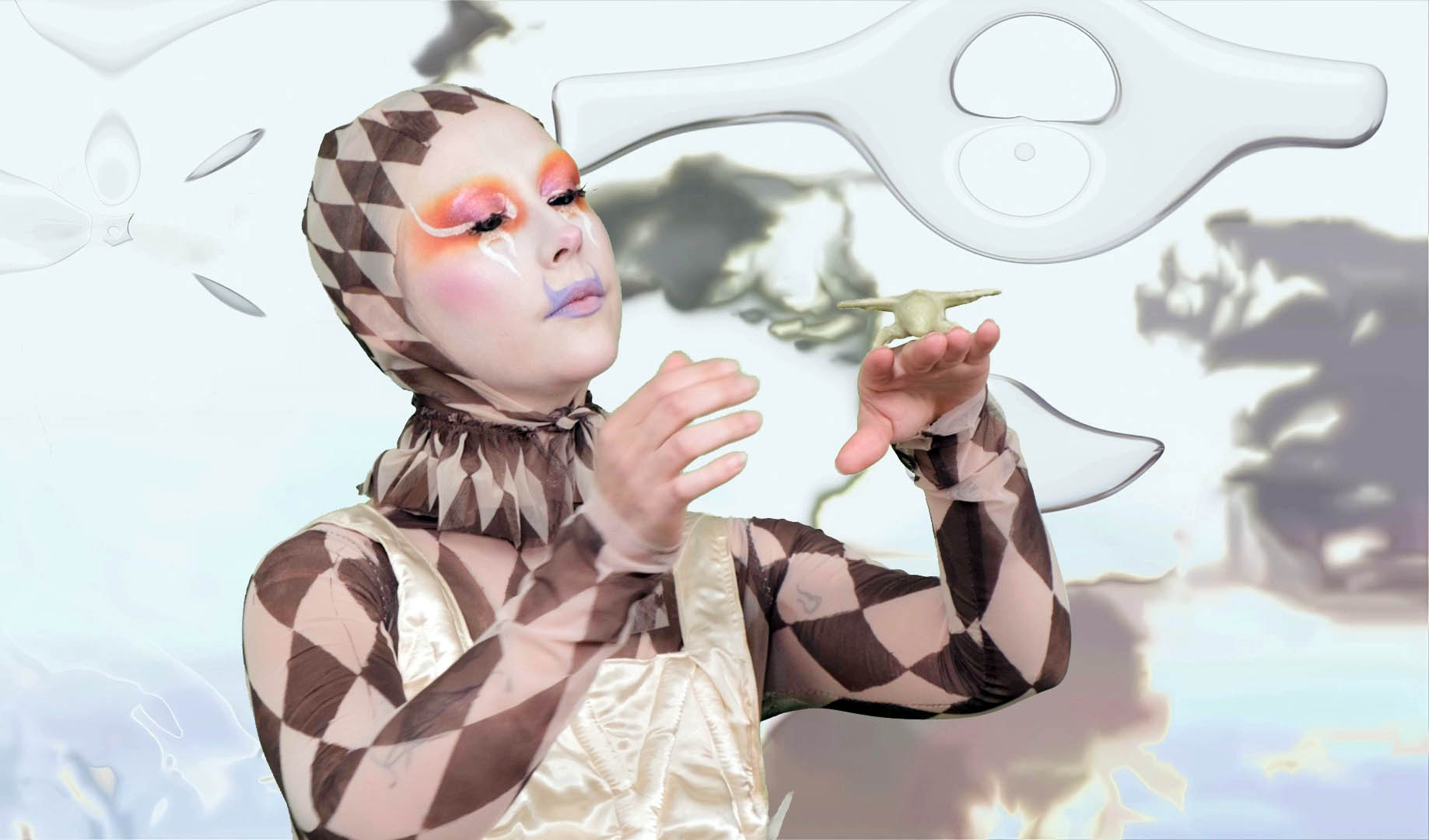
Natalija Gucheva, Home Is Where The Heart Is, 2024/2025, video, 10:42
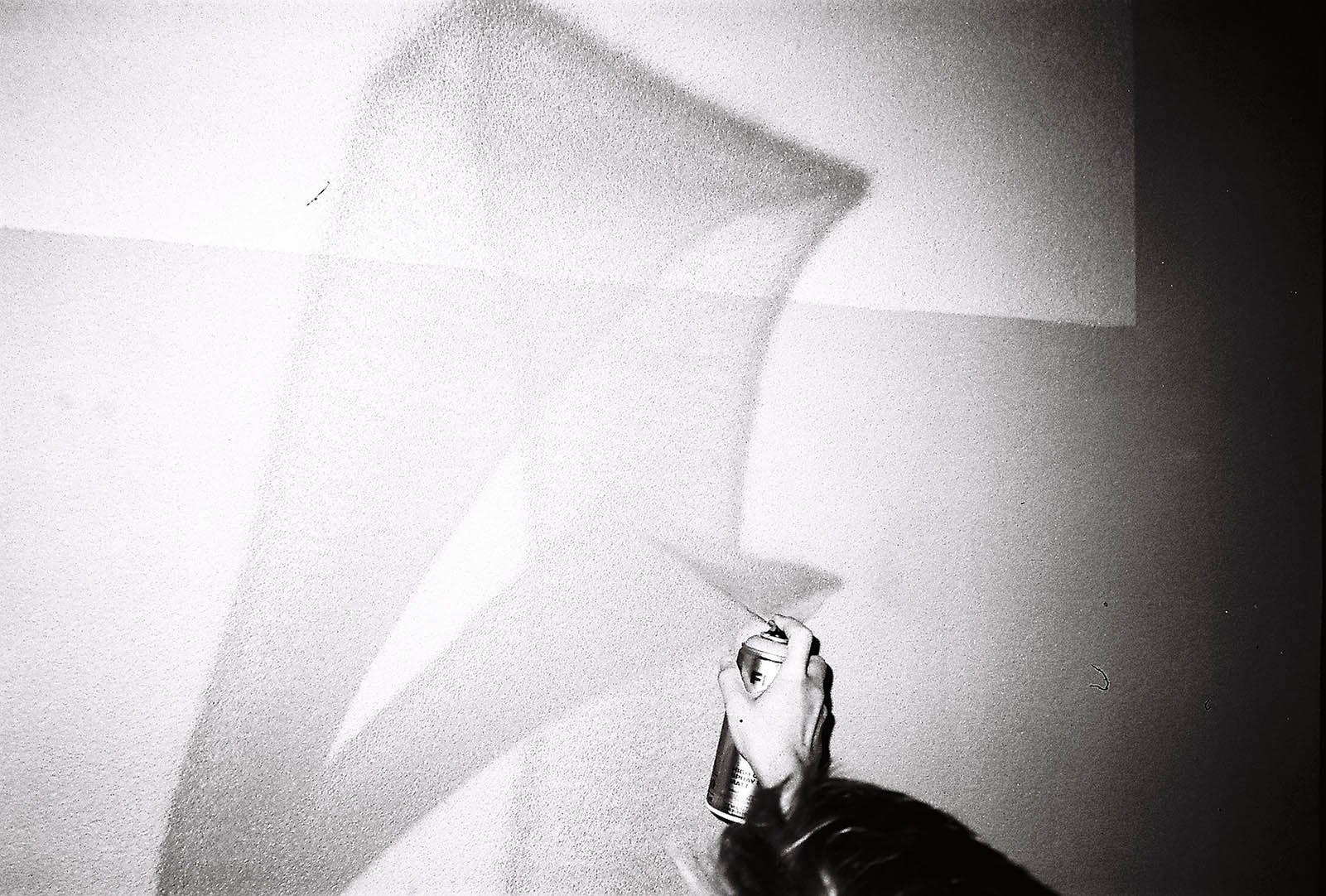
Dushan Stefanovski, Black and White Photography, 2024, variable dimensions
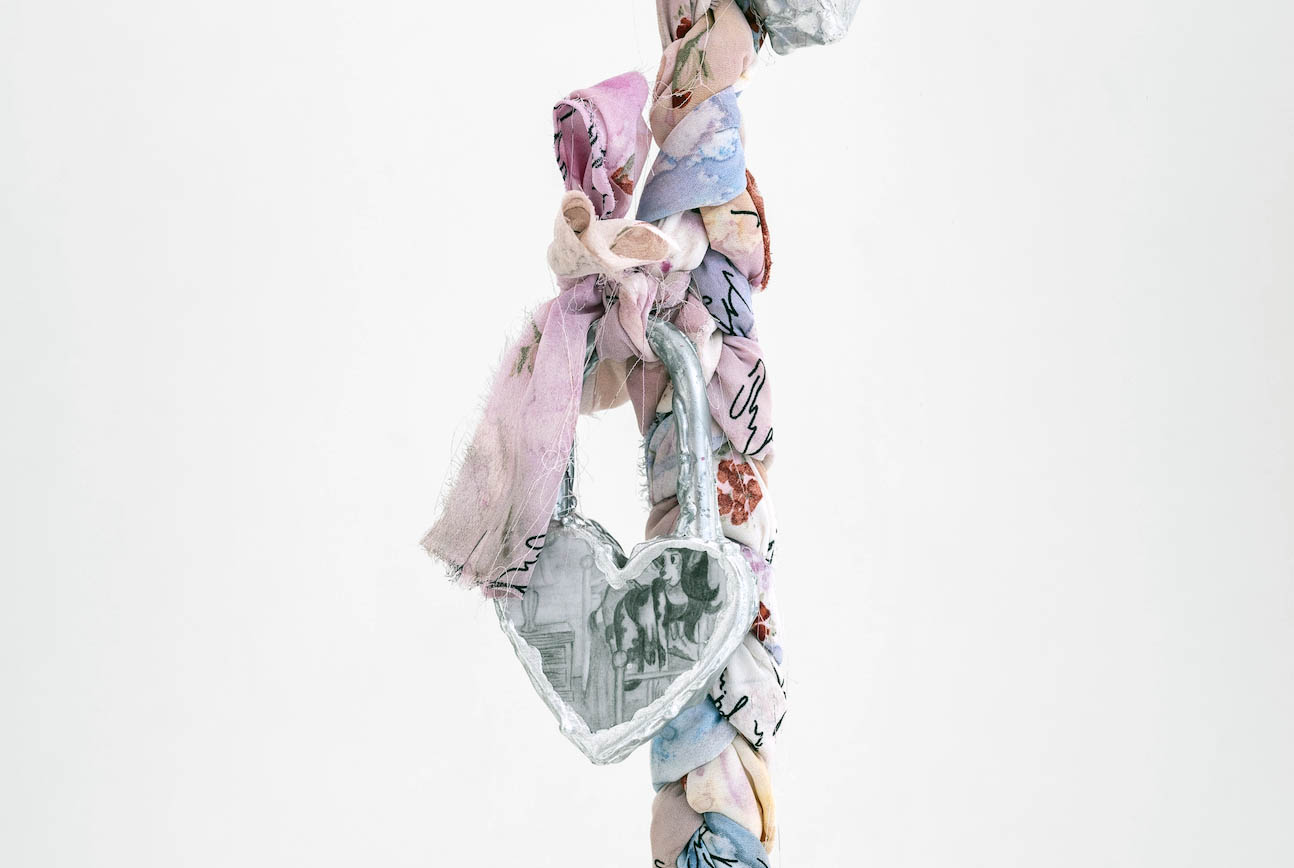
Maryna Sakowska, Peeplock, 2022/25, braids: textile, acrylics, padlock objects: resin, nail polish, car polish, pencil on paper, dimensions variable
Ana Likar, She Brought Thunderstorms, 2024, video
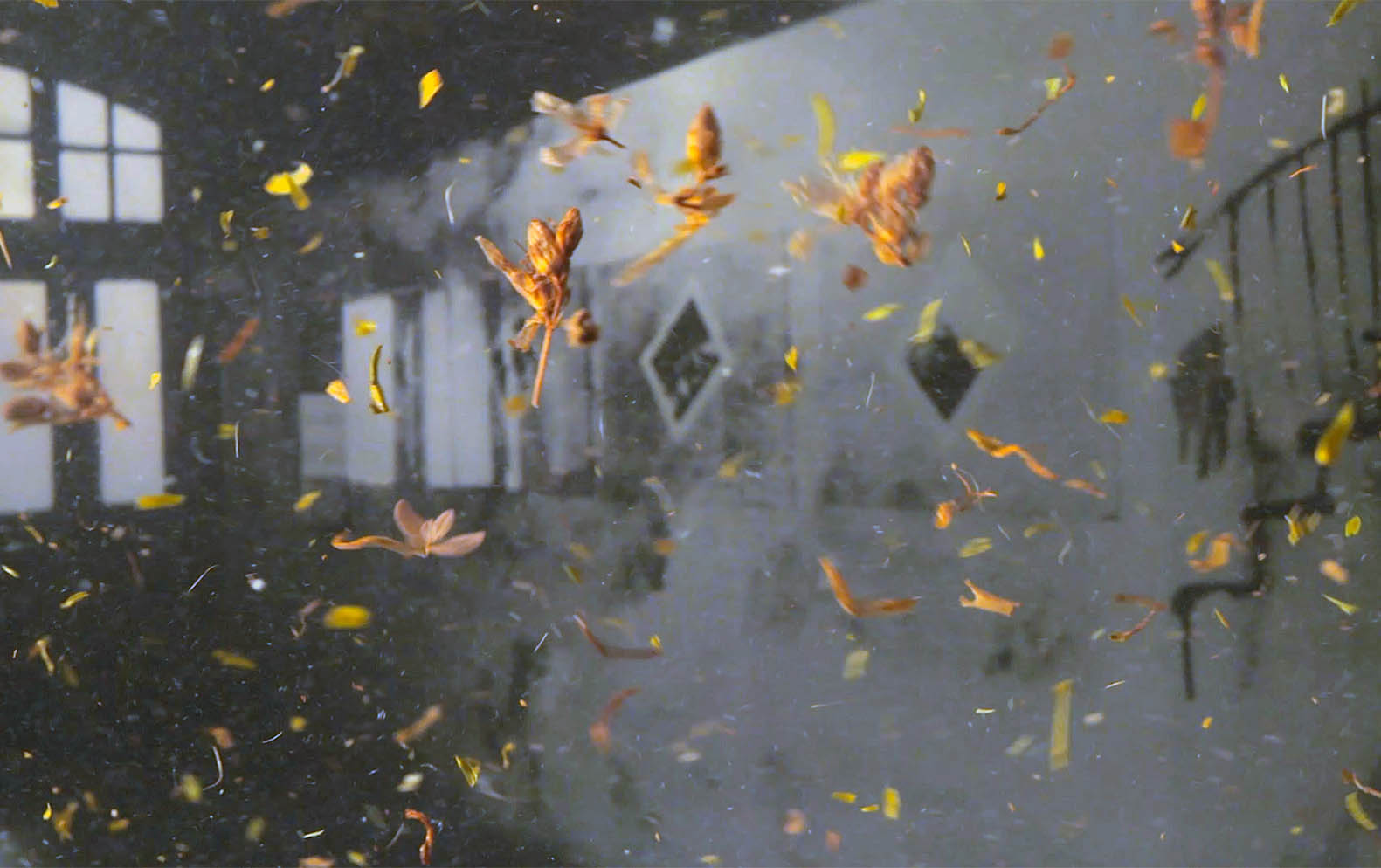
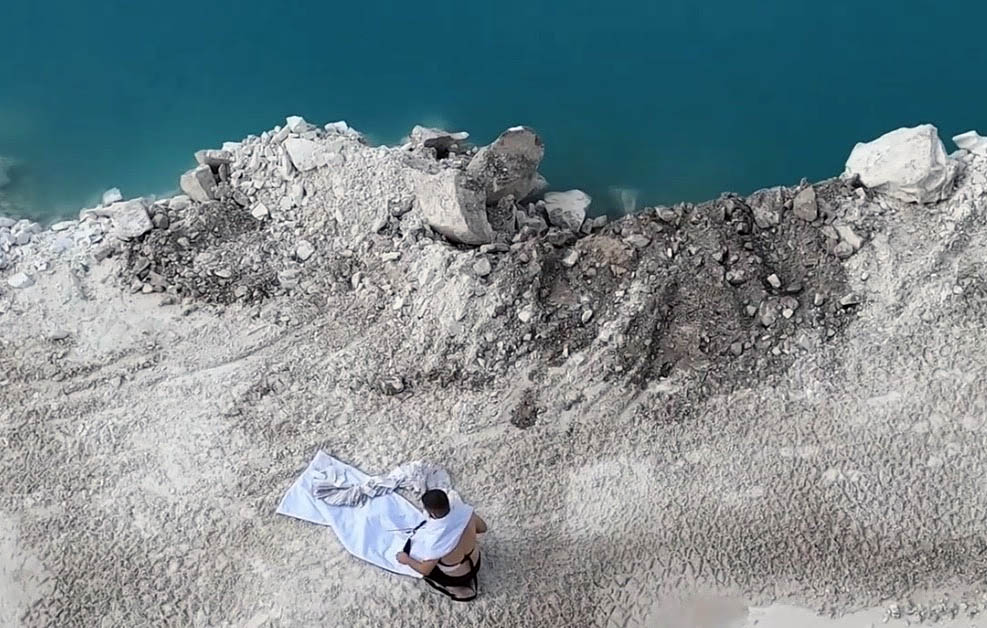
Krsto Gligorijadis, Tobacco Pickers, 2020, performances and video performances
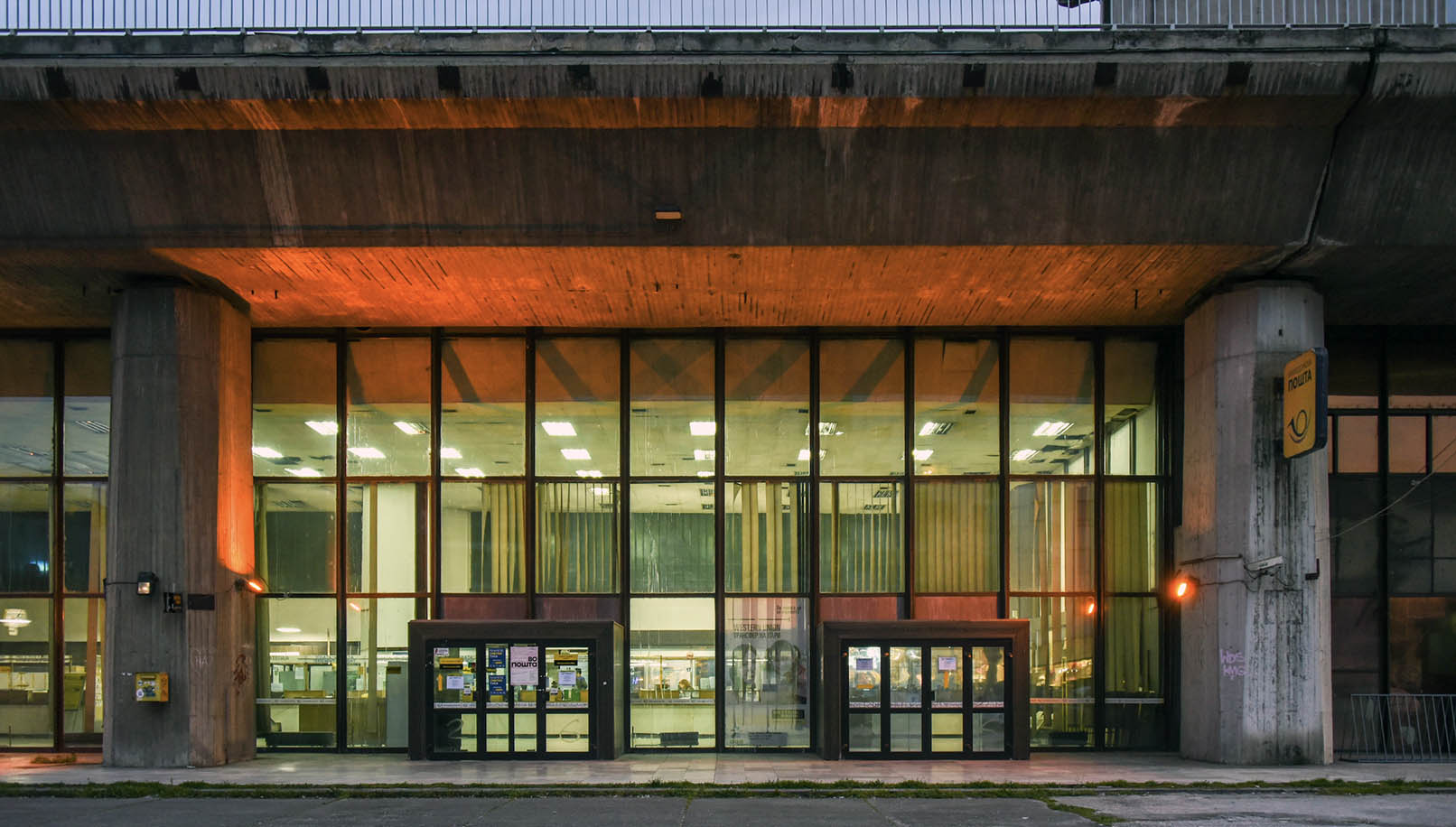
Mila Gavrilovska, Documentation of the Skopje Modernism, 2022 ongoing, photograph series
Continuities: Everywhere at Home
13/10/2025 - 10/11/2025
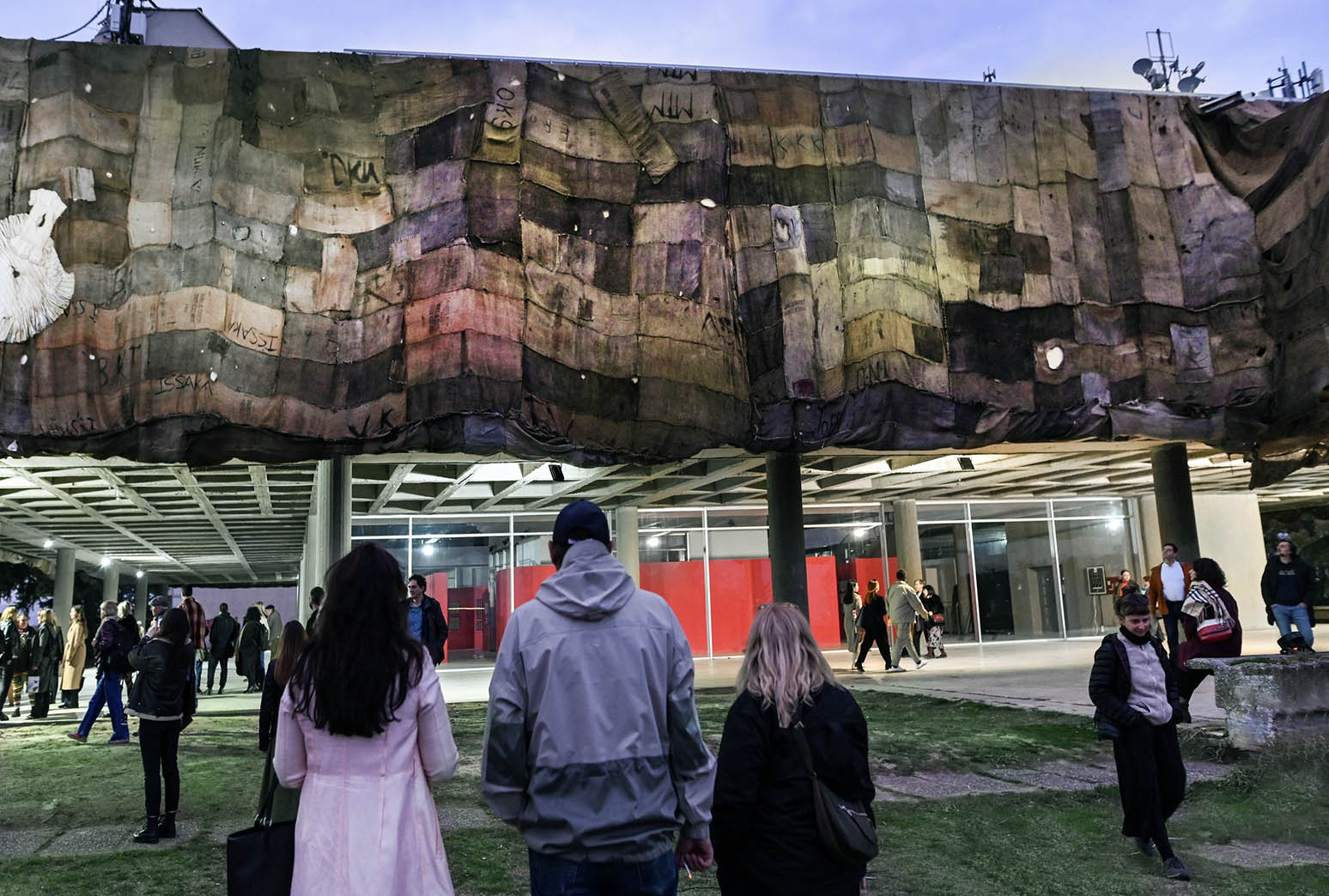
Ibrahim Mahama in Skopje
15/10/2025 - 14/11/2025
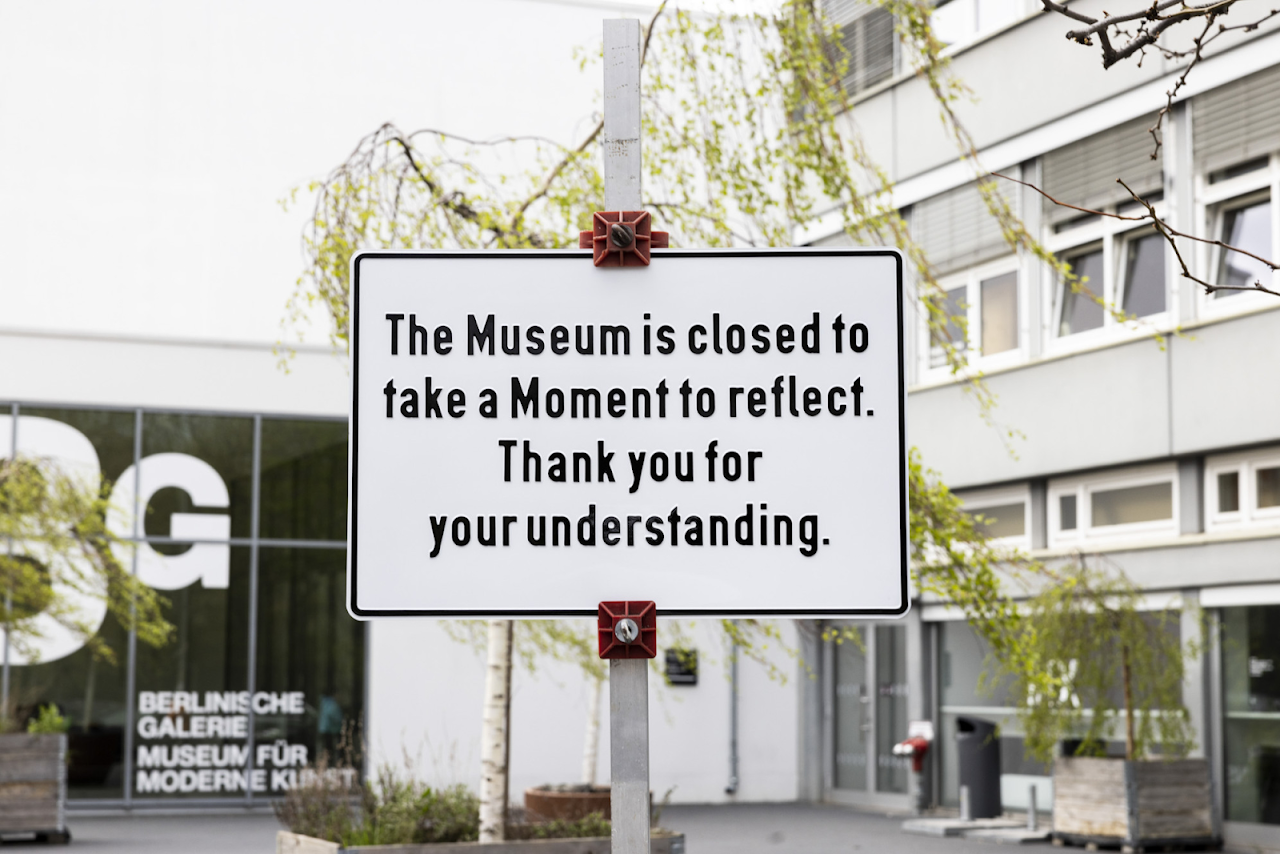
Cem A.: Museum open until further notice
18/09/2025 - 27/10/2025
Desire Might Be, Could Be, As It Always Is, Close To Love
10/09/2025 - 26/10/2025

